

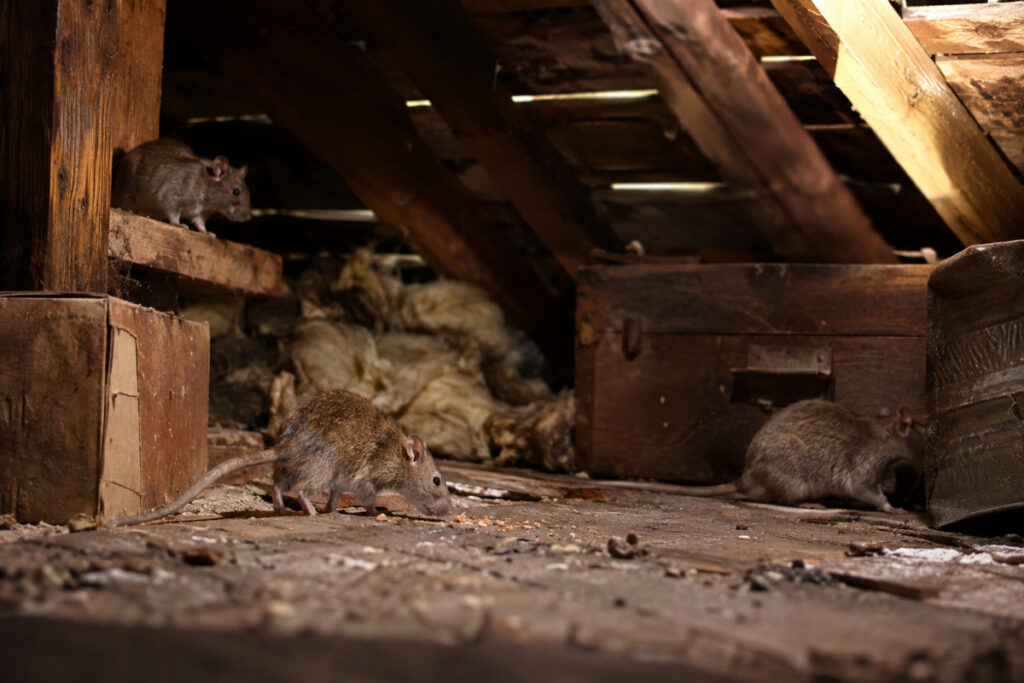
Scratching overhead, droppings near attic access, and gnawed materials can point to rats, especially when several signs appear together. Other animals can make similar noises, so identifying the pest comes before choosing treatment. At AAA Environmental Solutions, our pest control services in Fayetteville include help with rodents. We can investigate accessible areas and connect the sounds you hear with the signs we find, helping you understand what is using your attic and which routes need attention.
Notice When and Where You Hear Movement
Rats commonly move after dark, and you may hear scratching, scurrying, or gnawing above a bedroom or hallway. The sound may shift as an animal moves along framing or through insulation. Write down the room, approximate time, and how often it happens. Those details help us focus the inspection even if the attic is quiet during the visit.
Sound travels through ceilings and walls, which can make an animal seem closer or larger than it is. A heavy noise in one corner could come from movement elsewhere along the framing. A phone recording can preserve the pattern, but the volume offers limited help with identification. We consider noises alongside droppings, entry openings, and other physical signs.
Squirrels, birds, and other wildlife may also use roof spaces. Daytime movement, fluttering, or visible animals entering a roof opening can add useful information. Tell us about those observations before anyone blocks access. Different animals can require different handling, and a wildlife specialist may be needed when the inspection points to something outside the rodent problem you first suspected.
Look for Droppings and Gnawing Without Disturbing Them
Rat droppings can appear along travel routes, near stored items, or beside food carried into the attic. Size and shape can help with identification, although old or damaged droppings can be difficult to interpret. Photograph what you can see from a safe position. Avoid touching waste or collecting it with bare hands, and keep children and pets away from the area.
Gnaw marks may appear on wood, plastic, packaging, or wiring. Shredded paper and disturbed insulation can indicate a nesting area, but insulation can also be displaced during maintenance work. We look for related signs before attributing the disturbance to rats. If you can describe which materials changed recently, that helps separate old building conditions from a current pest problem.
Leave damaged wiring for an electrician to assess. Removing rats addresses the animal problem, while electrical damage may need its own repair. Likewise, droppings should be cleaned with suitable precautions rather than swept or vacuumed dry. Extensive contamination in insulation or inaccessible spaces calls for assessment by someone equipped for that cleanup, particularly when the attic has limited safe footing.
Check How Animals Could Reach the Roof
From ground level, look for branches touching the building, vines reaching the eaves, and damage around roof vents or soffits. Rats can climb, and protected routes may lead them to openings high above the yard. A gap near the roofline may be difficult to see clearly from below, so treat it as a possible route until it is inspected.
Some rodents enter lower on the building and reach the attic through concealed walls or utility spaces. Check accessible exterior openings around pipes, cables, and doors as well as the roof. We consider the route through the home rather than assuming every attic infestation began at an eave. Identifying that route helps guide both removal and appropriate building repairs.
Avoid climbing onto the roof or walking across attic insulation to investigate. Ceiling drywall can give way beneath someone who steps between supported surfaces, and electrical equipment may be concealed. You can provide useful observations from safe areas without reaching the nest. Let us know if attic access is narrow, obstructed, or located above a difficult stairway so the inspection can be planned accordingly.
Reduce What Keeps Rats Near the House
An attic offers shelter, while food may come from another part of your property. Pet food, birdseed, accessible garbage, and spilled feed can support rats outdoors. Secure those supplies and clean spills where they collect under shelves or bins. Removing easy food sources helps make the surrounding property less useful to rodents while the attic problem is addressed.
Check stored materials and dense vegetation beside the house for sheltered spaces. Organize firewood and unused supplies so the ground and wall edges remain visible. During cooler weather, rats may seek protected nesting sites, but they can use buildings year-round. Keeping the exterior accessible also makes it easier to notice new holes or damaged screens before they remain hidden for months.
Removal and entry prevention need to be coordinated. Sealing a suspected opening while rats remain inside can trap them in the attic or drive them into another concealed space. A plan should establish how rodents will be removed, how progress will be checked, and when openings can be closed. Work around vents and utilities must preserve ventilation and service access.
Get an Identification Before Choosing Treatment
Repeated overhead noises or fresh damage are reasons to arrange an inspection even when you have never seen the animal. We can review the accessible signs, discuss the likely routes, and explain appropriate control options. Continued checks help determine whether rodents remain and whether another part of the building needs attention. Share new sounds or damage as the work proceeds.
If you suspect rats are using your attic, arrange an attic inspection with AAA Environmental Solutions. Tell us where you hear movement and whether you have photographs of droppings or gnawing. We can help you investigate your Fayetteville home and plan the next steps around what the inspection actually reveals.