
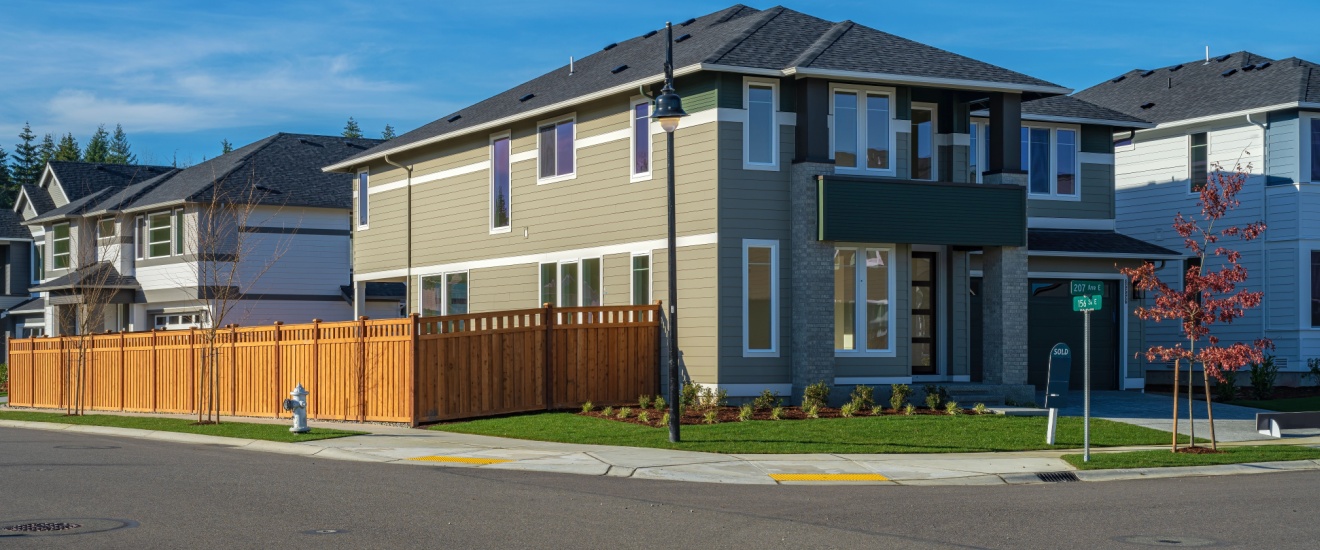
Buying a newly built home in Raleigh comes with the excitement of modern amenities, updated building codes, and the satisfaction of being the first owner. However, many buyers mistakenly assume that new construction homes are immune to radon problems. The reality is that new construction properties can have radon issues just as serious as older homes, and without proper testing, you might be moving into a beautiful new house with a hidden health hazard.
Why New Homes Aren’t Radon-Proof
The age of a home has virtually no relationship to its radon levels. Radon comes from the natural decay of uranium in soil beneath your home, and that uranium doesn’t care whether your house was built in 1950 or last month. What matters is the geology under your foundation, how your home is constructed, and the pathways radon can use to enter your living spaces.
In fact, some characteristics of modern construction can actually increase radon risk. Today’s homes are built to be extremely energy-efficient with tight building envelopes that minimize air leakage. While this is great for your utility bills, it also means radon that enters your home has fewer opportunities to escape naturally through air exchange. The same tight construction that keeps conditioned air inside also traps radon.
Modern HVAC systems can also affect radon levels. Central heating and cooling systems create pressure differences within the home that can either increase or decrease radon infiltration depending on how the system is designed and operated.
North Carolina Building Codes and Radon
Unlike some states, North Carolina does not require radon-resistant new construction (RRNC) techniques in new homes. This means builders aren’t legally obligated to install passive radon mitigation features during construction, even in areas with known radon risk.
Some progressive builders voluntarily include RRNC features because they add minimal cost during construction and make future active mitigation easier and less expensive if needed. However, this is the exception rather than the rule. Most new homes in Raleigh are built without any radon-specific considerations.
Even when builders do include passive radon systems – typically a vent pipe stub running from beneath the foundation slab through the roof – these passive systems don’t actively reduce radon. They simply make it easier to add a radon fan later if testing reveals elevated levels.
Testing New Construction Before Closing
Smart home buyers include radon testing as part of their due diligence process, even for brand new construction. The best time to test is after the home is substantially complete but before you close on the purchase. This gives you leverage to negotiate remediation if elevated radon is discovered.
Some buyers hesitate to test new construction, worrying it might offend the builder or delay closing. This is shortsighted thinking. Professional builders understand that radon is a geological issue, not a construction quality issue, and reputable builders won’t object to testing. If a builder resists radon testing, that’s actually a red flag about their professionalism.
Testing should be conducted using professional continuous monitors placed in the lowest level of the home that will be used as living space. For homes with finished basements, test in the basement. For homes with only crawl spaces, test on the main floor. The testing period typically lasts 48 hours under closed-house conditions.
What Happens If Your New Home Has High Radon
Discovering elevated radon in your new home isn’t the end of the world – it’s a fixable problem. The question is who pays for the fix. This is where timing matters. If you test before closing and find high radon, you have several options.
You can request that the builder install an active radon mitigation system before you take ownership. Many builders will agree to this, especially if the contract includes standard habitability provisions. Some buyers negotiate a credit at closing to cover the cost of future mitigation, allowing them to choose their own radon professional after moving in.
If you don’t test until after closing, you’re responsible for the full cost of mitigation with no recourse against the builder. This is why pre-closing testing is so important.
Radon-Resistant New Construction Features
If you’re working with a builder before construction begins, you can request that radon-resistant features be incorporated into the design. These passive systems don’t actively reduce radon but make future mitigation easier and more effective.
RRNC techniques include installing a layer of gas-permeable aggregate beneath the foundation slab, covering this layer with a vapor barrier, and running a vent pipe from beneath the slab through the roof. The system is left passive initially – no fan installed – but if testing reveals elevated radon, a fan can be added quickly and inexpensively to activate the system.
The cost to include these features during construction is minimal compared to retrofitting an active system after the home is built. If you’re having a custom home built in Raleigh, discussing RRNC with your builder is a smart investment in future indoor air quality.
The Importance of Post-Occupancy Testing
Even if your new home tests low for radon during the pre-closing inspection, you should retest after living in the home for a few months. The way you use the home – heating and cooling patterns, window operation, and addition of furnishings and belongings – can affect radon levels.
Long-term testing over a 90-day period provides the most accurate picture of your home’s average radon levels throughout different seasons and usage patterns. This baseline data is valuable for future reference and helps you monitor any changes over time.
New Neighborhoods and Radon Patterns
Just because your neighbor’s new home tested low for radon doesn’t mean yours will. Radon levels can vary dramatically between homes on the same street, even homes built by the same builder using identical floor plans. Soil composition, drainage patterns, and minor variations in construction all contribute to different radon infiltration rates.
Don’t rely on neighborhood data or what other buyers experienced. Your home needs its own independent test to determine its specific radon risk.
Protecting Your Investment
A new home represents a major financial investment and the foundation of your family’s future. Protecting that investment includes ensuring the indoor air quality is safe. Radon testing is a small, simple step that provides enormous peace of mind and protects your family’s long-term health.
Professional radon testing for new construction follows the same rigorous protocols as testing for existing homes, providing accurate results you can trust when making decisions about your purchase. AAA Environmental Solutions specializes in radon testing for new construction throughout the Raleigh area, helping buyers and builders ensure that new homes are safe from this hidden health threat. Contact AAA Environmental Solutions to schedule testing for your new home before you finalize your purchase.