
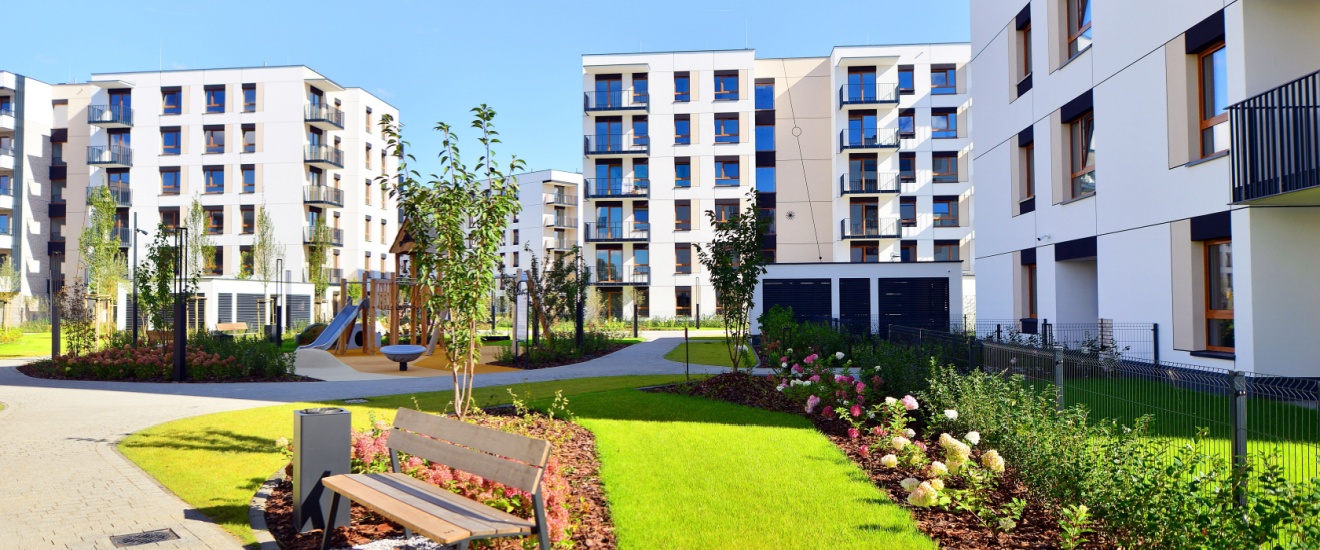
Multi-family property owners and managers in Raleigh face unique challenges when it comes to radon testing. Unlike single-family homes where testing one unit tells you everything about that property, apartment buildings, condominiums, and other multi-family properties require strategic testing approaches that account for multiple units, varied foundation types, and the reality that radon levels can differ dramatically between units in the same building.
Why Multi-Family Properties Need Radon Testing
Each individual unit in a multi-family building represents a separate living environment with its own radon exposure risk. Residents spend as much time in apartment units as single-family homeowners spend in their houses, creating the same long-term health risks if radon levels are elevated.
From a property management perspective, radon testing serves multiple purposes. It demonstrates commitment to resident health and safety, helps identify and address potential liability issues before they become problems, and can be a differentiating amenity that attracts quality tenants increasingly concerned about indoor air quality.
Multi-family properties undergoing sale or refinancing may face radon testing requirements from lenders or buyers conducting due diligence. Properties with documented radon problems that haven’t been addressed face challenges in transactions and tenant retention.
Understanding Radon Distribution in Multi-Family Buildings
One of the biggest misconceptions about radon in multi-family properties is assuming that testing one unit tells you about other units. In reality, radon levels can vary dramatically between units in the same building, even units on the same floor or with identical layouts.
Ground-floor and basement units typically have higher radon concentrations than upper-floor units because they’re closer to the soil source. However, this isn’t universal. Building pressurization, HVAC design, foundation variations, and how individual units are sealed all influence radon infiltration.
Units directly above the same soil might have different radon levels based on minor variations in how their floors are sealed, whether they have cracks or penetrations, and how their HVAC systems operate. This means comprehensive radon assessment of multi-family properties requires testing multiple units rather than relying on a single test to represent the entire building.
Testing Strategies for Different Building Types
Apartment Buildings
Large apartment complexes with dozens or hundreds of units need strategic sampling approaches. Rather than testing every unit—which would be prohibitively expensive—testing protocols typically involve sampling a percentage of units across different floors and areas of the building.
The EPA recommends testing at least one unit per floor in buildings up to three stories, with additional sampling for larger buildings. Ground-floor and basement units should be prioritized since they typically have the highest radon levels. If initial testing reveals elevated radon in some units, additional testing helps determine the extent of the problem.
Condominiums
Individual condo units can be tested like single-family homes, with the owner or potential buyer arranging testing for their specific unit. However, condo associations sometimes conduct building-wide testing to assess overall radon risk and address any systemic issues affecting multiple units.
Townhomes
Townhomes share some characteristics with both single-family and multi-family properties. Each townhome should be tested individually since they typically have separate foundations and don’t share living spaces. However, shared walls and similar construction mean that if one townhome has elevated radon, neighbors should consider testing as well.
Coordinating Testing in Occupied Buildings
Testing multi-family properties requires coordination with residents to ensure proper testing protocols are followed. Each unit being tested needs to maintain closed-unit conditions—keeping windows and exterior doors closed except for normal entry and exit—for 12 hours before and throughout the testing period.
This can be challenging in occupied buildings where residents have different schedules and varying levels of cooperation. Property managers should communicate clearly with residents about why testing is being conducted, what closed-unit conditions mean, and how long the testing will take.
Some property managers find it easier to conduct testing when units are vacant between tenants. This eliminates coordination challenges and ensures closed-unit conditions are maintained properly. However, waiting for vacancy might not be practical if testing is needed promptly for due diligence or liability concerns.
Interpreting Multi-Family Test Results
Multi-family radon testing typically produces a range of results across different units. Some units might test well below the EPA action level of 4.0 pCi/L, while others show moderate or high radon concentrations. This variation is normal and expected given the factors that influence radon infiltration.
The challenge is determining what action is warranted based on mixed results. If ground-floor units show elevated radon but upper-floor units are low, targeted mitigation in affected units might be sufficient. If elevated radon appears throughout the building, a building-wide mitigation approach might be more effective and economical.
Experienced radon professionals help property owners and managers interpret results in the context of the building’s construction, develop cost-effective mitigation strategies, and prioritize actions based on the severity of radon levels and the number of residents affected.
Mitigation Approaches for Multi-Family Properties
Radon mitigation in multi-family buildings ranges from individual unit systems to building-wide approaches depending on the building’s construction and the distribution of elevated radon levels.
For buildings where only select units have elevated radon, installing individual active soil depressurization systems in affected units addresses the problem while minimizing costs. These systems work the same as residential systems but may require special considerations for routing piping through common areas or coordinating with adjacent units.
Buildings with widespread radon problems might benefit from central mitigation systems that serve multiple units. These larger systems can be more cost-effective than installing many individual systems, though they require more complex design and coordination during installation.
Newer construction or buildings undergoing major renovations can incorporate passive radon-resistant features during construction, making future active mitigation easier and less expensive if testing later reveals elevated levels.
Legal and Liability Considerations
Multi-family property owners should consult with legal counsel about radon disclosure requirements and liability concerns in North Carolina. While state law doesn’t currently require landlords to test for radon or disclose radon information to tenants, best practices suggest proactive testing and transparency.
If testing reveals elevated radon in occupied units, property owners face ethical obligations to inform affected residents and implement mitigation. Failing to address known radon problems could create liability if residents later develop radon-related health issues.
Some property owners include radon testing and mitigation in their routine property maintenance programs, testing units on a rotating schedule and addressing any elevated levels as they’re discovered. This proactive approach minimizes liability and demonstrates commitment to resident wellbeing.
Testing for Property Transactions
Multi-family properties undergoing sale face increased scrutiny regarding environmental issues including radon. Buyers conducting due diligence often require radon testing as part of their environmental assessment, particularly for buildings with ground-floor or basement units.
Sellers benefit from conducting radon testing before listing properties. If testing reveals problems, addressing them before sale prevents deal complications and demonstrates that the property has been well-maintained. Documented low radon levels or properly installed mitigation systems become selling points.
Lenders financing multi-family property purchases may require radon testing as part of their environmental review, particularly in areas with known radon risk like Wake County. Having current test results available streamlines the financing process.
Protecting Residents and Property Value
Multi-family property radon testing protects residents’ health, minimizes legal liability, and preserves property value. Whether you manage a large apartment complex, own condo units, or operate townhome communities in Raleigh, understanding radon risk in your properties is part of responsible property management.
AAA Environmental Solutions provides specialized radon testing services for multi-family properties throughout the Raleigh area, with experience developing testing protocols for buildings of all sizes and working with property managers to coordinate testing in occupied units. Contact AAA Environmental Solutions to discuss radon testing for your multi-family property and develop a testing strategy that protects your residents and investment.